New Home Warranty in Alberta: What Is Covered, for How Long, and What to Inspect Before Possession
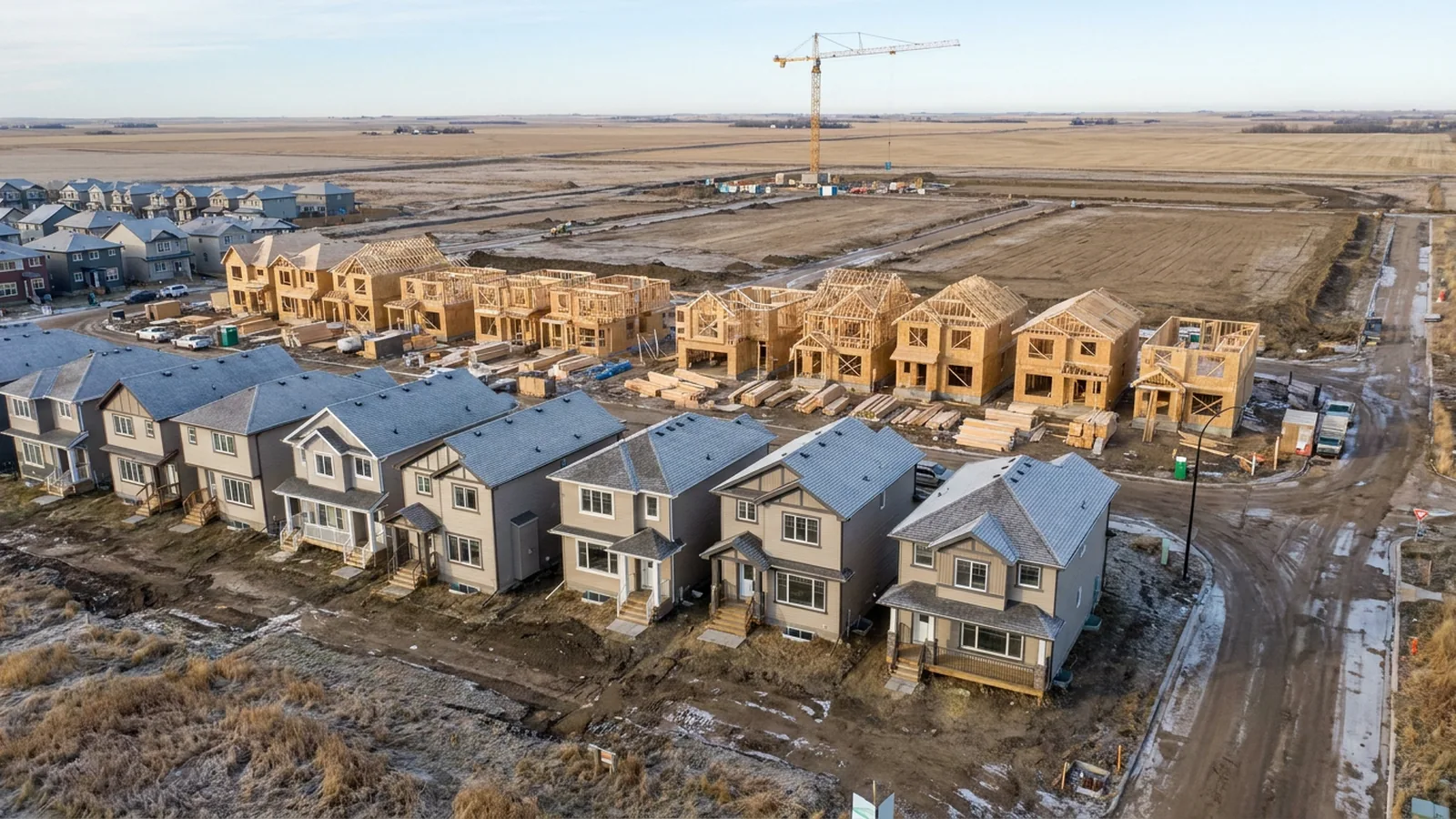
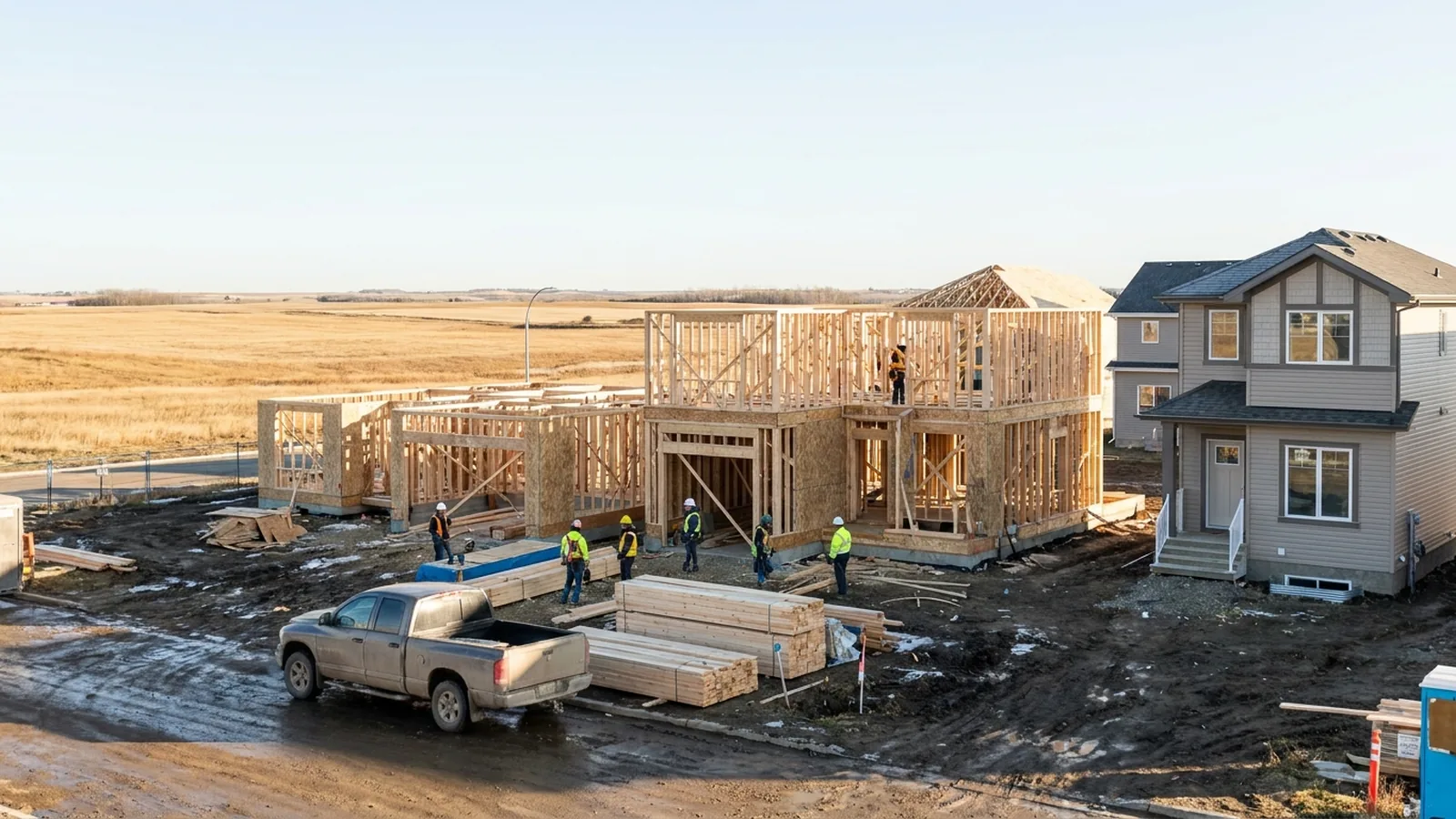
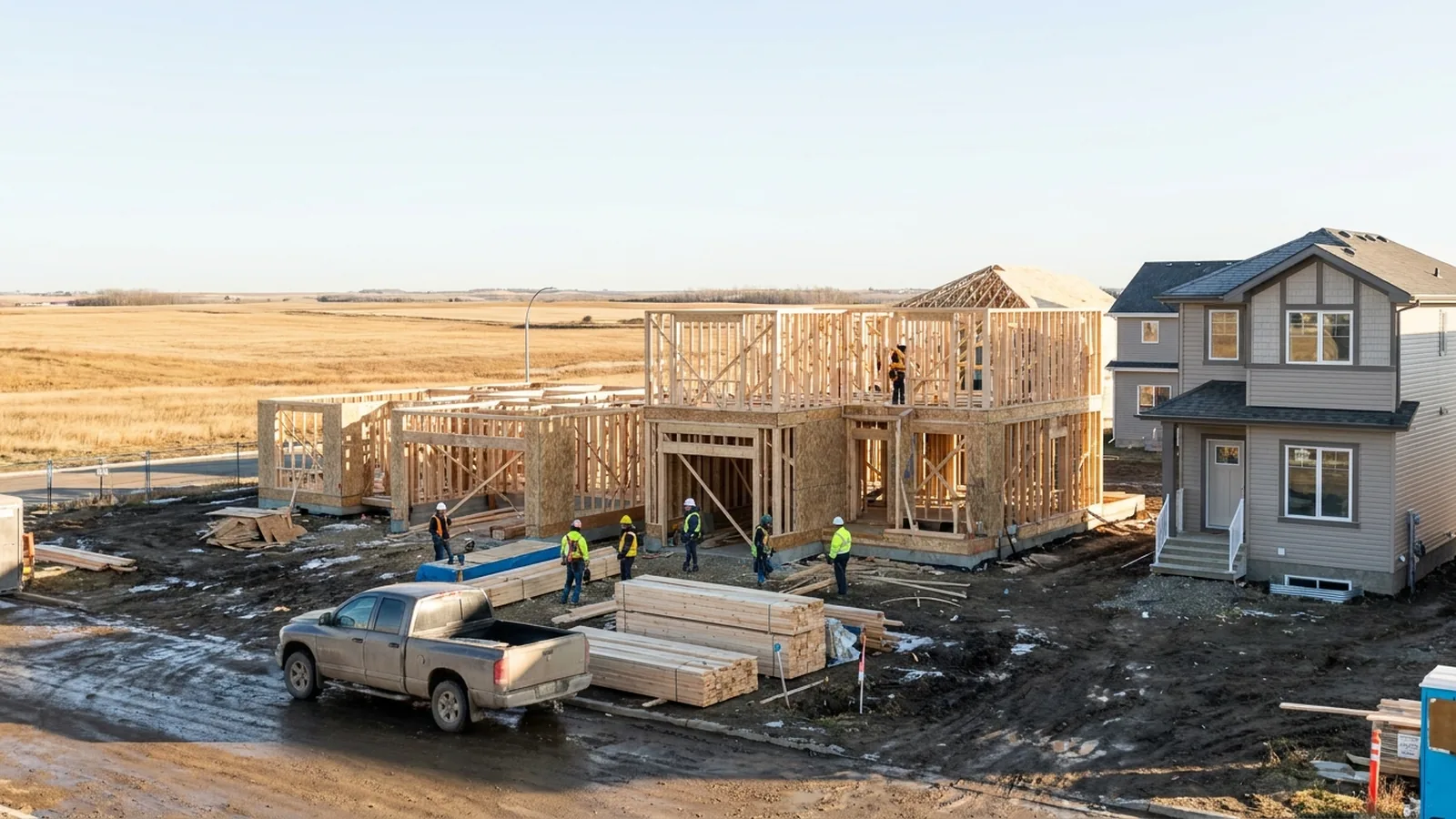
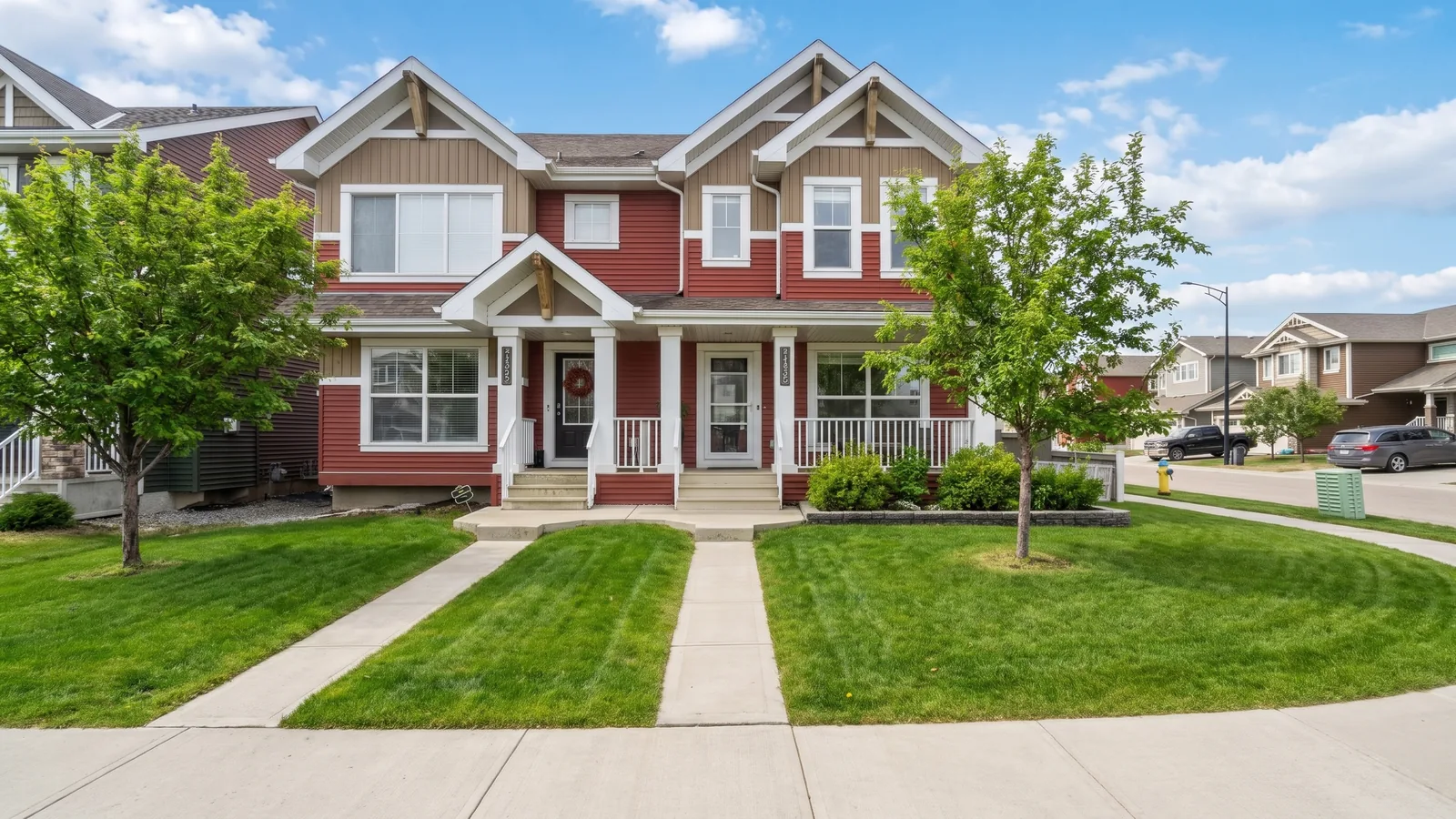
A new house in Chappelle, Keswick or The Uplands arrives with something most older resales in the south no longer have: warranty insurance the province makes the builder carry, with minimum terms written into law.
Those terms decide what gets fixed later, and what you own because nobody wrote it down at the walkthrough. Eddie's background includes over 23 years in real estate, five of them in new home sales, and the walkthrough is the step where he asks buyers to slow down.
The short answer
Alberta's New Home Buyer Protection Act requires warranty insurance on every new home: at least one year for materials and labour, two years for electrical, gas, plumbing and heating systems, five years for the building envelope and ten years for structure. Coverage begins at first occupancy, permission to occupy or title transfer, whichever happens first.
Key Takeaways
- The 1, 2, 5 and 10 year terms are minimums in section 3 of the Act. Providers must offer builders extra envelope coverage.
- The clock usually starts at first occupancy, permission to occupy or registered title transfer, whichever is earliest.
- The warranty belongs to the house, not the owner, so a resale built in the last few years may still have coverage left. The provincial Property Registry shows it by address.
- Warranty insurance deals with defects. A late possession date, a substituted colour or a deposit dispute is a contract matter with the builder.
- Telling the builder about a problem is not a claim. Claims go to the warranty provider, in writing, inside the coverage period.
What Does Each Alberta New Home Warranty Period Cover?
Each period covers a different part of the house, and the shortest one runs out first. Section 3(6) of the New Home Buyer Protection Act sets the floor for every warranty policy, and the Act defines "delivery and distribution systems" to include electrical, gas, plumbing, heating, ventilation and air conditioning.
| Minimum term | What it covers | Examples the province gives |
|---|---|---|
| 1 year | Defects in materials and labour | Flooring, staircases, cabinets, trim |
| 2 years | Materials and labour in delivery and distribution systems | Electrical, plumbing, heating, ventilation, air conditioning |
| 5 years | Defects in the building envelope | Roof and walls (the shell that keeps weather out) |
| 10 years | Structural defects | The frame, including the roof structure, and the foundation |
On its new home warranty overview, the province says providers must offer builders the option of two more years on the envelope. Builders do not have to take it, so ask which one your builder bought before you sign, not after.
When Does New Home Warranty Coverage Start in Alberta?
For a typical new house, where the builder owns the lot and transfers title to you, coverage starts on whichever of three dates comes first: the day the home is first occupied, the day the permitting authority grants permission to occupy, or the day the title transfer is registered. That rule is in section 1.1 of the Act.
That matters when possession slides: if permission to occupy comes weeks before your keys, the one-year term is already running. Condo common property has its own clock, starting when the first unit's title passes from the builder to a buyer at arm's length. In a building that has been selling for a while, that term began before you arrived.
How Much Does the Warranty Pay, and What Does It Leave Out?
The province lists minimum coverage of $265,000 for a single family home and $130,000 for a condo or other multi-family unit, with common property in a multi-family building covered up to $3.3 million per building. Those limits leave out land, contents and landscaping, and owners can buy more (all from the alberta.ca overview, checked 29 October 2026).
The province's Construction Performance Guide for New Home Warranty in Alberta (December 2014, so older than the current Act) describes the usual exclusions. Normal wear, weathering and normal shrinkage of materials are out. So is damage from owner neglect, poor maintenance, or work the owner does after moving in. Landscaping, grading beyond code and detached structures such as a garage or shed may be excluded. Skipped maintenance can weaken a claim, so follow the manual.
Warranty insurance is not deposit protection. The same guide treats deposits, delays, substitutions and unfinished work as contract issues between you and the builder. Ask a lawyer to read the purchase contract before you sign it.
Does New Home Warranty Transfer to the Next Owner?
Yes. The province states that the warranty is attached to the home and stays in effect after a resale until each term runs out. That makes it worth checking on near-new resales too: 863 of the 1,585 active listings with a year built (54%) were built in 2015 or later, as of 20 November 2026.
| Zone | Active listings | Built 2015 or later | Median year built |
|---|---|---|---|
| Zone 14: Riverbend & Terwillegar | 177 | 21 (12%) | 2007 |
| Zone 16: Blue Quill, Twin Brooks & Duggan | 154 | 12 (8%) | 1979 |
| Zone 53: Summerside & Ellerslie | 337 | 169 (50%) | 2015 |
| Zone 55: Heritage Valley | 399 | 255 (64%) | 2017 |
| Zone 56: Windermere & Glenridding | 287 | 180 (63%) | 2017 |
| Zone 57: Edgemont & The Uplands | 231 | 226 (98%) | 2026 |
Zone 57's median year built reads as 2026 because most of its listings are homes that are not finished yet. Zone 16's median is 1979, and few of its listings are young enough for warranty to matter. At the neighbourhood level, the median year built is 2022 across 153 listings in Chappelle and 2025 across 92 in Keswick.
A home built in 2015 may have used up the ten-year structural term already, so do not assume. Type the address into the provincial Property Registry to see the provider and the coverage dates. A new home cannot be listed for sale until it is registered with coverage, which is why builder listings on the new construction page should all show up there.
One exception: an owner builder with a provincial authorization can build without warranty insurance. The Act then has a caveat placed on the land title saying the home lacks the required coverage, so your lawyer will see it in the title search. Ask what that means for your purchase before you remove conditions.
What Should You Check at the Pre-Possession Walkthrough?
Test everything, and get every miss written on the builder's form. The province's guide says warranty providers generally rely on what was recorded, or not recorded, on that pre-delivery inspection form when they decide whether to cover things like damaged flooring, countertops and fixtures. Damage first reported after you move in will probably be treated as yours. Take this list with you:
- Paperwork first. Bring the purchase contract, your selections sheet and any signed change orders, and compare finishes, colours and upgrades room by room.
- Surfaces. Look along floors, counters, tubs, sinks, cabinet doors and trim in good light for chips, scratches, gaps and lifting seams.
- Doors and windows. Open, close and lock every one, including the patio door and garage man-door. Check screens, weatherstripping and any cracked glass.
- Water. Run each tap hot and cold, fill and drain tubs, flush every toilet, and look under each sink for drips.
- Power. Flip every switch, try each outlet with a cheap plug-in tester, and press the test button on bathroom, kitchen and exterior GFCI outlets.
- Heat and air. Confirm the furnace, thermostat, water heater and any HRV are running, and find the shut-off valves and the electrical panel.
- Appliances and garage. Confirm each appliance in the contract is there and works, and run the garage door.
- Outside. Walk the siding, eavestroughs and downspouts, and check that the ground slopes away from the foundation. In winter, get any exterior work left for spring written down with what is owed and when.
- Basement. Look at foundation walls, the floor slab and the sump area for cracks or water.
- Leave with records. Take dated photos, a signed copy of the form, the warranty certificate with the provider's name and policy number, and the maintenance manual.
Want your own inspector there? Check that the contract allows it.
How Do You Make a New Home Warranty Claim in Alberta?
You make a claim with your warranty provider, not the builder. The province's claims page says to check that the problem falls inside your coverage dates, then contact the provider, who assesses the claim and works with the builder on warrantable defects. The performance guide adds that calling the builder does not open a claim, which matters if a term is close to running out.
When something goes wrong, limit the damage first by shutting off the water or the breaker. Then send written notice, take photos before and during repairs, and give the provider and builder access to inspect. If you disagree with the provider's decision, the claims page lists the dispute options.
What to Do Next
- Before you sign with a builder, ask for a sample warranty policy and confirm whether the extra envelope years were bought. The new build or resale comparison covers the other costs to weigh, and the GST rebate guide covers the tax side.
- For a near-new resale, search the address on the Property Registry and ask the seller for the policy documents and maintenance manual.
- Book the walkthrough with Eddie. He can go through the list above with you on a home in zone 57, Heritage Valley or anywhere else in the south. Get in touch here.

Eddie Gebran
Eddie is a lifelong Edmontonian and a REALTOR® with RE/MAX Elite. His background includes over 23 years in real estate, five of them in new home sales, and he works mostly with buyers and sellers in the city's south.
Call or text Eddie at 780-906-9959, or write to eddie@eddiegebran.com.
Last reviewed 3 November 2026. This is general information, not legal, tax, mortgage or financial advice. Rules, programs and prices change, so check the current details with the City, the school board, a lawyer or a mortgage professional before you commit. Market figures use asking prices on active MLS® listings, not sales.
Sources
- New Home Buyer Protection Act, SA 2012 c N-3.2, consolidation current as of 1 December 2025 (Alberta King's Printer), sections 1, 1.1 and 3
- New home warranty: overview (Government of Alberta, checked 29 October 2026)
- New home warranty claims (Government of Alberta, checked 29 October 2026)
- Construction Performance Guide for New Home Warranty in Alberta (Alberta Municipal Affairs, December 2014)
- Residential Protection Program: Property Registry search (Government of Alberta)
Your next step
Walk Through Your New Build with Eddie
Eddie's background includes over 23 years in real estate, five of them in new home sales. Bring him to the walkthrough and leave with every issue on the form.
Talk to EddieCommon Questions
How long is the new home warranty in Alberta?
Alberta's New Home Buyer Protection Act sets minimum terms of one year for defects in materials and labour, two years for electrical, gas, plumbing, heating and ventilation systems, five years for the building envelope and ten years for structural defects. A builder's policy can give longer terms, and builders can buy extra envelope coverage.
When does my Alberta new home warranty start?
For a typical new house bought from a builder who owns the lot, coverage starts on the earliest of three dates: when the home is first occupied, when permission to occupy is granted, or when the title transfer is registered. Condo common property starts when the first unit's title passes from the builder to a buyer.
Does the new home warranty transfer if I buy a resale home?
Yes. The Government of Alberta says the warranty is attached to the home rather than the owner, and remaining coverage stays in effect after a resale until each term expires. Search the address on the provincial Property Registry to see the provider and dates, and ask the seller for the policy documents.
Is calling my builder the same as making a warranty claim?
No. The province's performance guide says contacting your builder does not start a claim under your home warranty insurance. Claims are made with the warranty provider, ideally in writing with photos, and inside the coverage period. If a term is near its end, contact the provider directly rather than waiting on the builder.
What is not covered by new home warranty in Alberta?
Normal wear and tear, weathering, normal shrinkage of materials, and damage from owner neglect or poor maintenance are generally excluded. Landscaping and detached garages or sheds may be excluded too. Contract matters such as delays, deposits and substituted finishes are between you and the builder, not the warranty provider.