Buying Near the Anthony Henday: What to Check About Noise Before You Offer
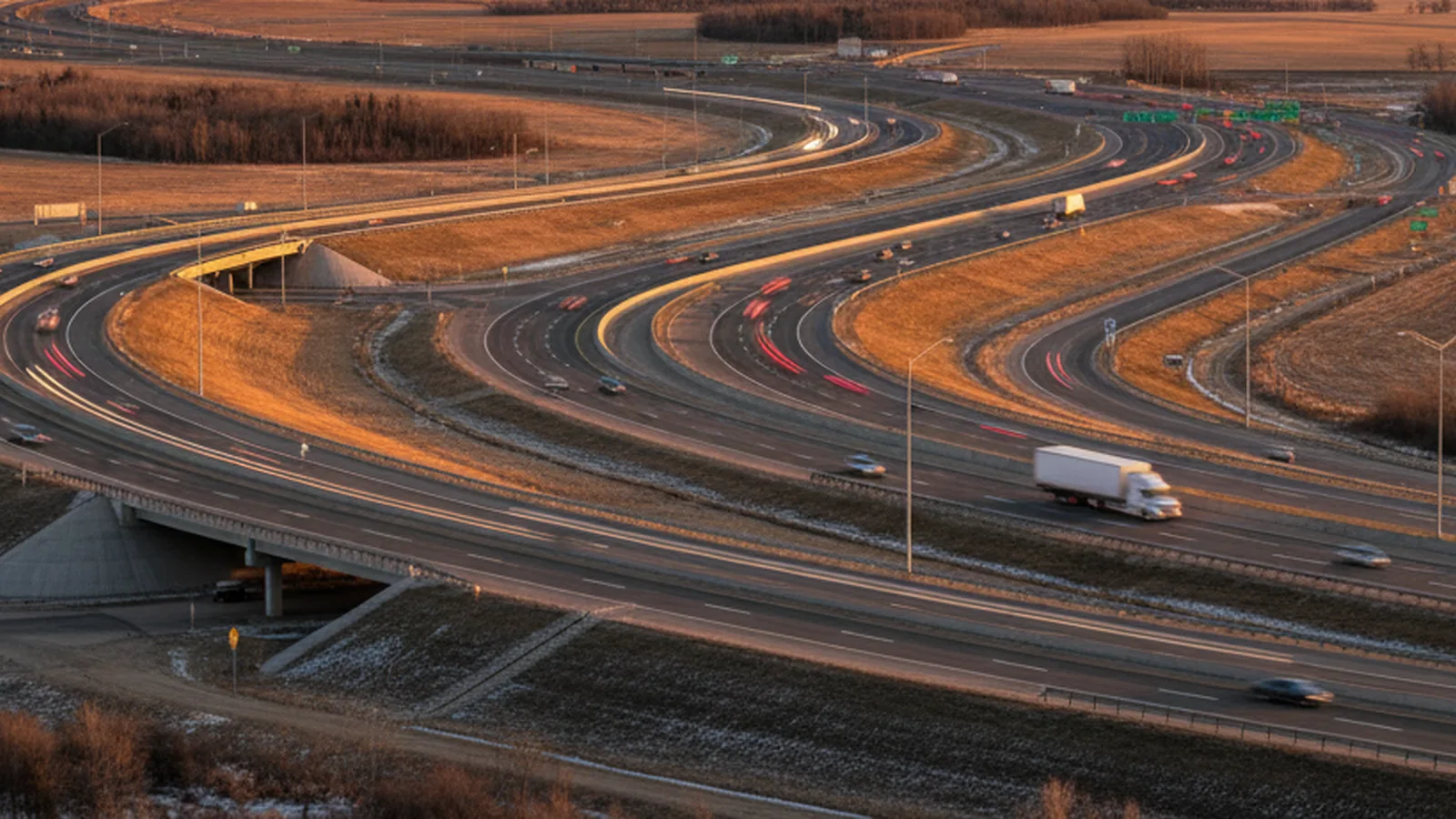
Anthony Henday Drive wraps around Edmonton, and a lot of south homes sit near it. Some of those homes are close enough that you can hear it, and some are not.
The honest answer to "how loud is it?" is that it depends on the exact address, and you can only judge that on site. This guide gives you a checklist for doing it properly before you write an offer, and tells you what the City and the Province actually publish.
The short answer
Visit the home at rush hour, at night and on a weekend, standing where you will actually sit. Test the windows open and closed, look at which way the house faces and what stands between it and the road, and read the Alberta noise reports for that stretch. Do it before conditions come off.
Key Takeaways
- Noise changes block by block, so judge the specific address, not the neighbourhood name.
- Visit at several times of day, on a weekday and a weekend, and listen with the windows open and closed.
- Look at orientation, any berm or fence, the windows and the bedroom positions.
- Alberta publishes noise studies for the ring road on Open Alberta, and Edmonton's traffic noise policy sets out who is responsible for noise next to arterial roads.
- The Henday is not the only road to listen for. Check the nearest arterial and the 170 Street corridor too.
Why Does Henday Noise Vary So Much from One Home to the Next?
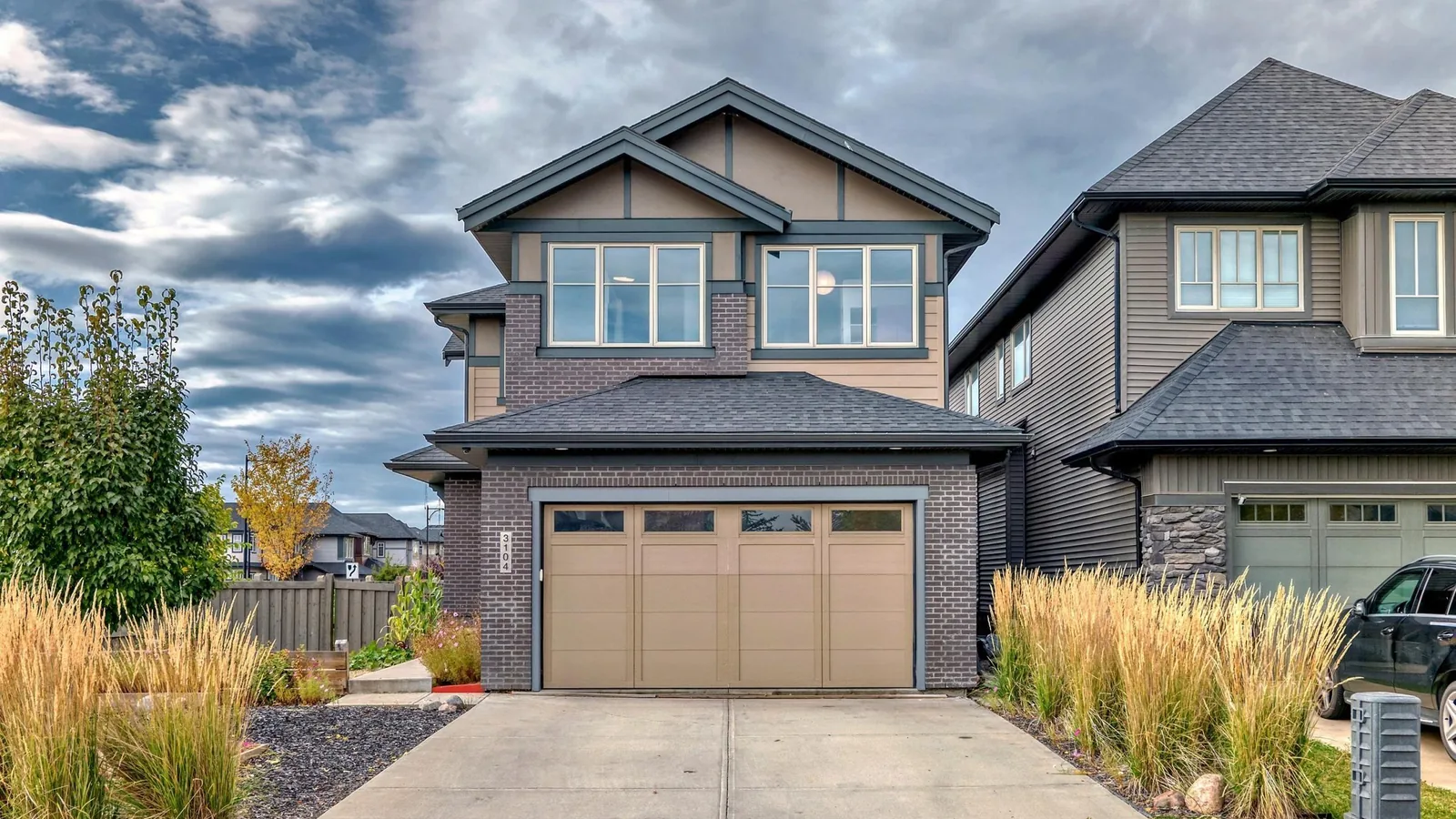
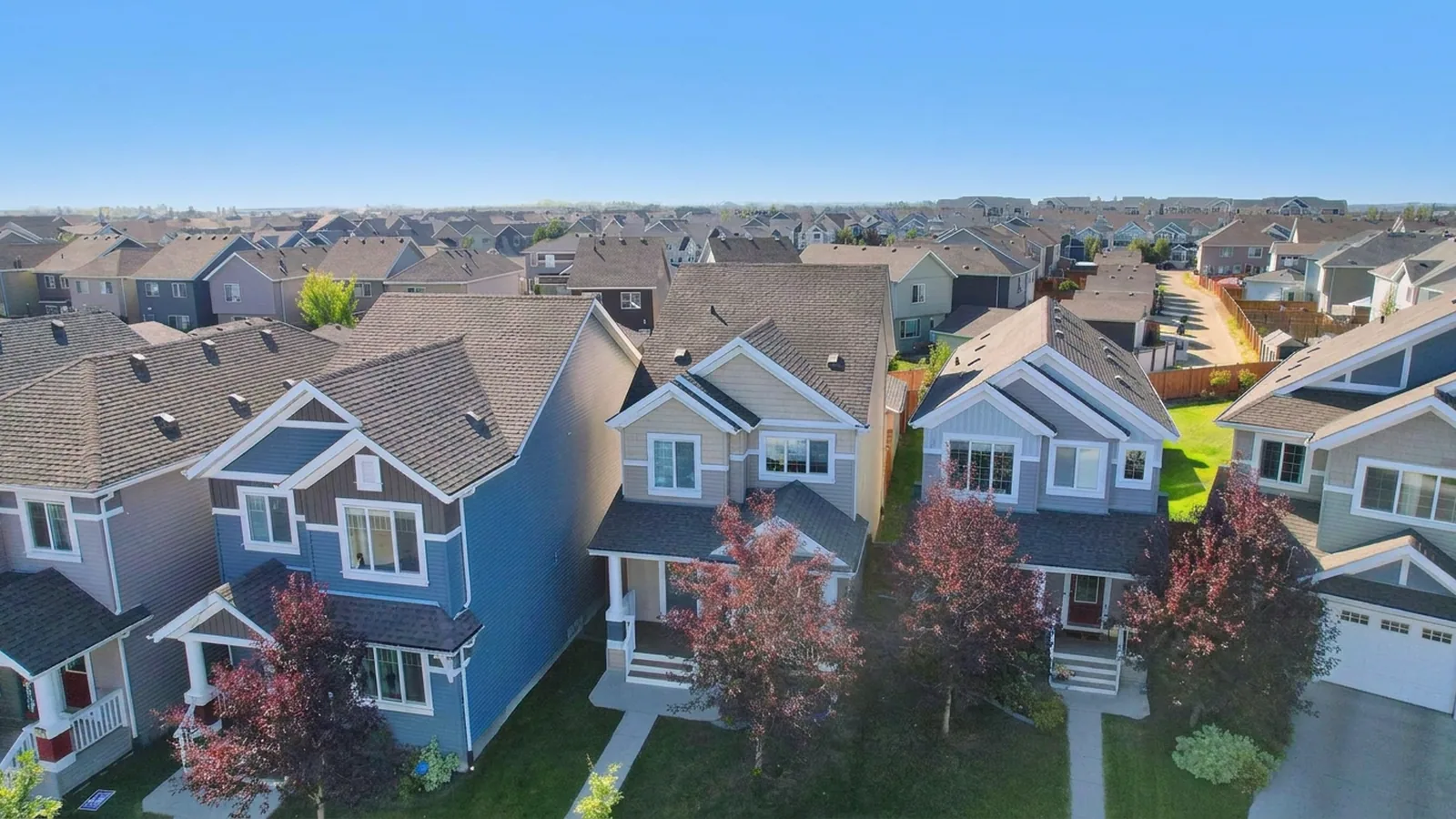
Road noise is not uniform because homes differ in how they face the road and what sits in between. A house whose back yard looks straight at the roadway is in a different position from one whose garage faces the road, and a home behind another row of houses is different again. Height matters too, because a bedroom window above the fence line can hear something different from the yard below it.
Eddie does not give a distance or a noise number that makes a home "fine", because there is not one that applies to every lot. What helps is a repeatable routine you use on every home you tour near the ring road, so you can compare like with like.
How Should You Test the Noise Before You Make an Offer?
Visit more than once, at different times, and stand where you will spend your time. A showing at midday with the furnace running tells you very little. Use this plan.
| When to visit | What to do | Why it matters |
|---|---|---|
| Weekday rush hour, morning and evening | Stand in the back yard and on the front step for a few minutes. Note whether the sound is a steady hum or separate vehicles. | Traffic is at its heaviest and most constant. |
| Late evening or night | Listen from the bedroom with the window open, then closed. | Sound carries differently when everything else goes quiet. |
| Weekend morning | Compare it with the weekday visit and note how much of the noise comes from other things nearby. | You see the difference between commuter and everyday noise. |
| A windy day and a calm day | Listen again if you can. | Wind direction changes how far road sound carries. |
| Summer and winter, if the timing allows | Ask the sellers how the house sounds with the windows open in July. | Leaves, snow and closed windows all change what you hear. |
Take your phone and record thirty seconds from the back yard and from the main bedroom. You are not measuring anything. You are building a memory you can play back when you compare three houses a week later. Also ask the listing agent whether the sellers have a view on the noise. Eddie checks the listing notes and asks directly, because a seller who says "you stop noticing it" is giving you information too.
What Do Windows, Fences and Sound Barriers Do?
They reduce what you hear indoors and in the yard, but you need to look at what is actually there. Check each of these on the day.
- Barriers between the home and the road. Is there a berm, a solid fence or a row of houses? Walk to the back of the lot and look at its condition. A gap, a leaning panel or a thin fence does less than a solid, continuous one.
- Who owns and maintains it. Ask whether the fence or berm is on the lot, on City land or on the highway right-of-way. That decides who fixes it. Ask for the answer in writing.
- Windows and doors. Close them and listen again. Look for drafts and old seals. Ask what type of windows are installed and whether they have been replaced.
- Bedroom and yard layout. Note which rooms face the road and whether the yard has a sheltered corner.
- Orientation. Check which direction the back of the house faces and whether another house shields it.
If a noise concern is serious for you, say so to Eddie before you tour. He can look for homes that suit the question and plan visits at the right hours.
What Do the City and the Province Publish About Ring Road Noise?
Several things are public, and all of them are worth reading before you offer.
The Province. Alberta's page on the Edmonton ring road says noise is monitored at different parts of the road to assess possible impacts on nearby communities, and it links to the Anthony Henday Drive noise studies. Those studies are posted on Open Alberta. For the south, they include a 2007 survey and computer modelling, a 2013 study, and a report titled South Anthony Henday Drive noise readings (2024), published by Transportation and Economic Corridors in November 2025.
The Province finished widening the south section in 2023, so the 2007 and 2013 studies pre-date the extra lanes, and the 2024 readings are the newest south report in that list. Read the report for the stretch nearest the home and see where it measured.
The City. Edmonton's Urban Traffic Noise Policy (C506A) sets out who deals with traffic noise next to arterial roads and LRT. For new housing, the developer has to show the City what noise a back yard will see and pay for any attenuation needed.
For existing back yards next to those facilities, the City may consider attenuation where measured noise is above its threshold, where it is practicable, funds are available and the adjacent owners endorse it. The text names arterial roads and light rail. It does not mention the ring road, which is a provincial route, so do not assume it covers a home beside the Henday.
The area plan. The City's plan for Windermere says Alberta Transportation requires the developer to address future noise where homes go next to a highway, and it requires a noise assessment for homes next to Anthony Henday Drive and Terwillegar Drive.
It also describes a berm and a double-board, no-gap fence along some routes. The plans for Keswick and Glenridding Heights are also on edmonton.ca. These show what was planned, which may be different from what you see built, so confirm on site.
Is the Anthony Henday the Only Road to Listen For?
No. In south Edmonton the nearest source may be a busy arterial, not the ring road. The City's Windermere plan names Terwillegar Drive and Ellerslie Road, and the Keswick and Glenridding Heights plans raise noise attenuation for homes backing onto 170 Street. So when you stand in the yard, listen for all of it.
The City describes Windermere as lying south of the Henday, and Ambleside as bounded on its north side by it. As of 20 November 2026, those two communities had 86 and 60 active listings, out of 287 in zone 56. If you are comparing the two, our guide to living in Windermere sets out prices and what differs by area.
The noise question also overlaps with where you want to live. A river valley or ravine home may feel quiet in the yard but have a road beyond the trees. A detached house with a yard gives you more places to test than a condo.
For a condo, sit on the balcony and look at the building's windows and doors. The asking prices by zone guide helps you compare cost against location once you have a shortlist.
What to Do Next
- Pick your shortlist on the search page and book at least two visits to each home, one at rush hour and one in the evening.
- Open the Alberta noise reports for the stretch of ring road nearest your top choices, and the City's plan for the neighbourhood, then write down your questions.
- Ask Eddie to confirm what is on title and in the listing about fences, berms and right-of-way before you write an offer, so noise is settled before conditions are removed.

Eddie Gebran
Eddie is a lifelong Edmontonian and a REALTOR® with RE/MAX Elite. His background includes over 23 years in real estate, five of them in new home sales, and he works mostly with buyers and sellers in the city's south.
Call or text Eddie at 780-906-9959, or write to eddie@eddiegebran.com.
Last reviewed 3 November 2026. This is general information, not legal, tax, mortgage or financial advice. Rules, programs and prices change, so check the current details with the City, the school board, a lawyer or a mortgage professional before you commit. Market figures use asking prices on active MLS® listings, not sales.
Sources
- Government of Alberta, Edmonton ring road
- Government of Alberta, New Anthony Henday lanes open in south Edmonton (24 November 2023)
- Open Alberta, South Anthony Henday Drive noise readings (2024)
- Open Alberta, Environmental noise study for south Anthony Henday Drive (2013)
- Open Alberta, Environmental noise survey and computer modelling for south Anthony Henday Drive (2007)
- City of Edmonton, Urban Traffic Noise Policy C506A
- City of Edmonton, Windermere Neighbourhood Structure Plan (office consolidation, August 2025)
- City of Edmonton, Ambleside Neighbourhood Profile
Your next step
Touring Homes Near the Ring Road?
Eddie can plan visits at the right hours, ask the listing agent the noise questions and check what is on title about fences and berms.
Talk to EddieCommon Questions
Does Alberta publish noise studies for Anthony Henday Drive?
Yes. Alberta's page on the Edmonton ring road says noise is monitored at different parts of the road and links to the noise studies. Open Alberta lists reports for several sections, including South Anthony Henday Drive noise readings (2024), published in November 2025 by Transportation and Economic Corridors.
What time should I visit a home near the Anthony Henday?
Go at weekday rush hour and again in the late evening, then once on a weekend. Listen in the back yard and the main bedroom, with the windows open and closed. A single midday showing tells you little, because traffic and other sounds change a lot through the day.
Does the City of Edmonton deal with traffic noise next to new homes?
Under its Urban Traffic Noise Policy, the City expects the developer of new housing beside arterial roads and LRT to show the noise level in back yards and to build any attenuation needed. The policy text names arterials and LRT, not the provincial ring road, so confirm what applies to a specific address.
Can I find out who owns the fence or berm behind a house?
Ask for it in writing before you offer. Fences and berms can sit on the lot, on City land or on a right-of-way, and that decides who maintains them. Eddie can ask the listing agent, and your lawyer can check the title and any registered documents on the property.
What if I realise after conditions come off that the noise bothers me?
That is hard to fix, which is why you check first. Noise is a personal judgment, and a condition needs to be written and agreed before it is removed. Talk to Eddie before you make an offer about visiting at the right hours and whether any condition makes sense.