Buying a South Edmonton Condo: The Documents to Read Before You Remove Conditions
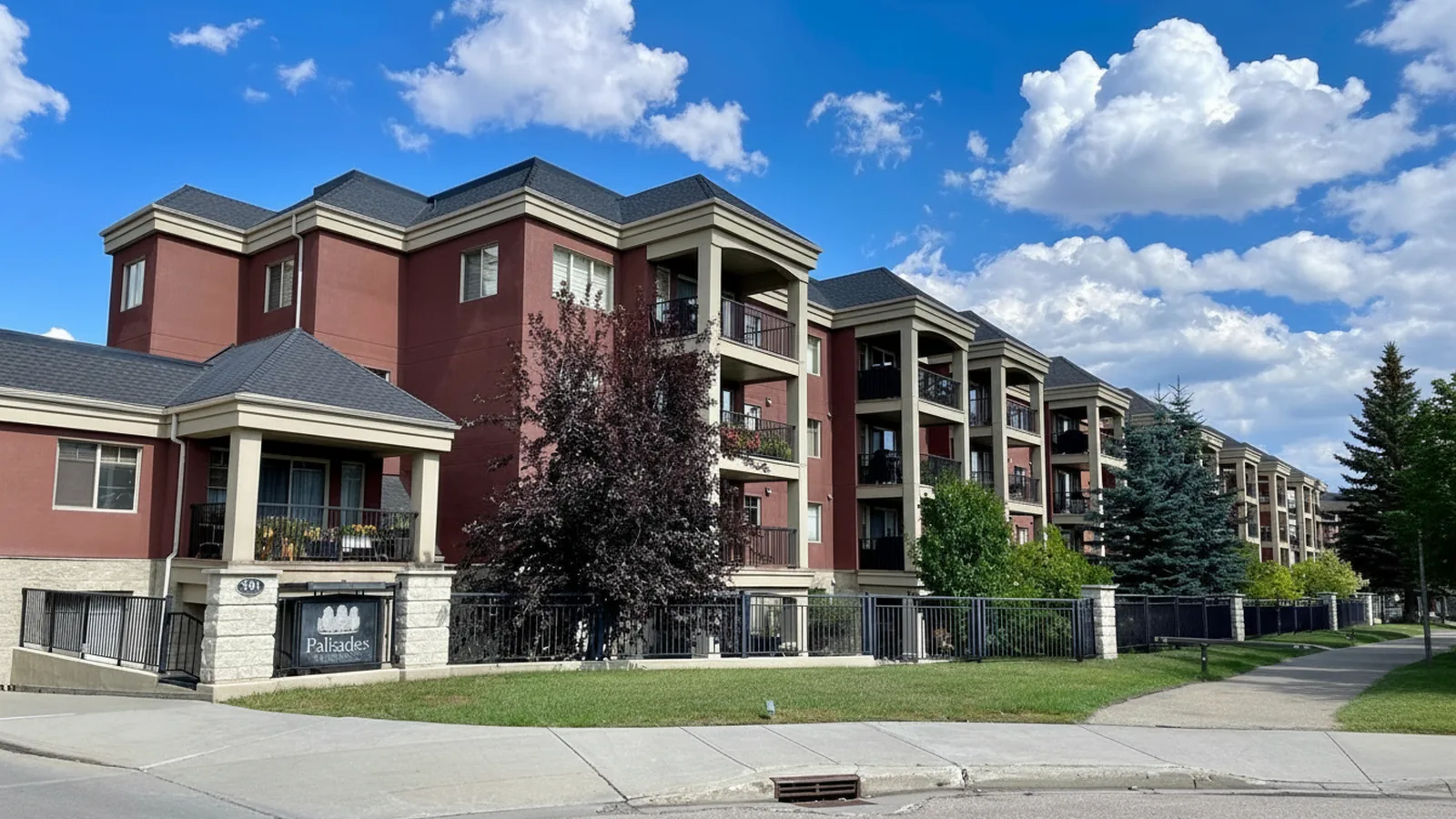
A condo listing shows you a unit. The documents show you the building, and the building is where most of the surprises are. A leaking envelope, a thin reserve fund or a special levy on the way will not appear in the photos. Eddie asks for the paperwork the day an offer is accepted, because the condition date does not move to suit a slow reply.
The short answer
Ask the corporation in writing for the estoppel certificate, information statement, budget, financial statements, bylaws, minutes, insurance certificate and the reserve fund study, plan and annual report. Alberta law gives the corporation 10 days to respond. Read the reserve fund first, then the minutes, then the insurance, and have a lawyer review the set.
Key Takeaways
- A written request to the corporation starts a 10-day clock under the Condominium Property Act. Send it as soon as your offer is accepted.
- The reserve fund study, the plan and the annual reserve report together tell you whether big repairs are funded or likely to be levied.
- Minutes show what the board is worried about before it becomes a number on a notice.
- The insurance certificate and deductible tell you what a claim could cost an owner.
- As of 20 November 2026, there are 322 active condo listings across the six south zones, so the checking is worth building into your routine.
Which Condo Documents Can You Ask for, and How Fast?
You can ask for a long list, and the corporation must answer within 10 days of a written request. The Act's section 44 says so, and the Condominium Property Regulation spells out what is covered. As of its February 2026 consolidation, the list includes:
- an information statement covering lawsuits against the corporation, unsatisfied judgments, written demands over $5,000, the reserve fund balance, the contributions, known structural deficiencies, loans and unit factors
- the budget and the annual financial statements
- the bylaws and any rules the corporation has made
- approved minutes of general meetings and of board meetings for a fiscal year, with draft general-meeting minutes if the approved ones are not ready
- management and recreation agreements, and any lease of common property such as a parking stall or storage unit
- written resolutions and their results, and reports prepared by professionals such as engineers, other than privileged reports
- insurance certificates and policies, and the standard insurable unit description
- reserve fund plans, reserve fund reports and annual reports
The estoppel certificate is a separate request under section 43.2. It states the contribution, how often it is paid, any arrears and interest owing, and the Act calls it conclusive proof of what it certifies. The regulation caps what a corporation may charge for it at $200, with $100 more for delivery inside three days. An information statement is capped at $100, and most other documents at $10 each.
Buyers of a brand-new unit receive a different set from the developer. Alberta.ca has a separate checklist for new and converted condominiums, so ask your lawyer which one applies to you.
How Do You Read a Reserve Fund Study?
Read it as a repair calendar with a price tag, not as a pass or fail mark. Under the regulation, a qualified provider must inventory the depreciating property, such as roofs, windows and parking surfaces, that may need repair or replacement within the next 30 years or longer.
The study must also give the present condition, the expected timing, the estimated cost at not less than today's prices, and the life expectancy of each component after it is replaced. The provider must inspect the visible components on site and interview the board.
Then the board approves a reserve fund plan, and owners must get a copy before funds are collected under it. A new study is due on or before five years after the latest plan is approved.
For a new building, the first study is due within two years of the plan registration, so a young corporation may not have one yet. A corporation with 12 or fewer units can do its own study if owners pass a special resolution.
When you open the study, check these things:
- Its date. Check it against the five-year rule.
- Big near-term items. Look at what is scheduled in the next five years and what it costs.
- The balance against the plan. The annual reserve report shows the fund balance and the year's payments in and out.
- The funding method. See whether the plan relies on regular contributions or on levies.
The Canadian Condominium Institute's North Alberta chapter adds two cautions. A study is a guide, and the board decides what actually gets spent. It can also go stale as costs rise, so its checklist asks whether the study is under five years old and whether costs have been updated to current pricing.
What Do the Minutes and Bylaws Tell You?
Minutes tell you what the board is dealing with right now. Read at least a year of board and general-meeting minutes and look for repeated topics: a recurring leak, an engineer's report, a quote for major work, a dispute with a contractor or a debate about raising fees. Compare what the minutes discuss with what the reserve study schedules and what the budget allows.
Bylaws set the rules you will live under, from pets and rentals to parking and renovations. Under section 32 of the Act, they can be changed by special resolution, and the Act defines that as approval of at least 75%, counted both by eligible voters and by unit factors.
So a rule you like today can change. If a rule matters to you, such as short-term rentals or a dog, read the exact bylaw text and ask your lawyer how it applies.
What Should the Insurance Papers Show?
They should show the corporation insures the units and common property for replacement cost, and they should state the deductible. Section 47 of the Act requires the corporation to insure the units, excluding improvements the owners have made, and to maintain insurance for replacement cost value. The regulation lets the corporation and its insurer agree on a reasonable deductible.
The deductible matters to you. Under the regulation, an owner is liable to the corporation, on demand, for up to the deductible for damage that starts in the owner's unit, with exceptions such as construction defects.
A corporation cannot require more than $50,000 from an owner under that section, despite a contrary bylaw. Show your own insurer the standard insurable unit description and ask what your policy should cover. If the deductible or coverage changes, the Act requires written notice to owners with a copy of the certificate.
What Is a Special Assessment, and How Do You Spot One Coming?
A special assessment, which the Act calls a special levy, is an extra charge on owners for a cost the regular contributions do not cover. The board's resolution must state its purpose, the total, how it is shared and the payment date, and the board must tell each owner their share.
For a capital improvement rather than a repair, owners must first pass a special resolution. Unpaid contributions can be recovered from the owner by an action for debt, and Alberta.ca notes that an under-funded reserve can lead to special assessments.
The signs are in the documents. Look for a study that is out of date, a reserve fund that is small next to the scheduled work, a pattern of postponed repairs in the minutes, an engineer's report that recommends work, or a loan in the information statement. None of these means a levy is certain. Together they are the reason to ask more questions or negotiate.
How Many South Edmonton Condos Are There to Check?
Enough to compare several. The table shows active condo listings in each zone, and the middle half of their asking prices, as of 20 November 2026.
| Zone | Condo listings | Median asking | Middle half of asking prices |
|---|---|---|---|
| Zone 14, Riverbend & Terwillegar | 69 | $220,000 | $179,000 to $280,000 |
| Zone 16, Blue Quill, Twin Brooks & Duggan | 46 | $175,000 | $130,000 to $219,000 |
| Zone 53, Summerside & Ellerslie | 44 | $205,000 | $175,000 to $225,000 |
| Zone 55, Heritage Valley | 83 | $198,000 | $165,000 to $220,000 |
| Zone 56, Windermere & Glenridding | 80 | $220,000 | $195,000 to $270,000 |
| Zone 57, Edgemont & The Uplands | 0 | too few listings to show a range | |
The south Edmonton condo hub lists every building by zone. Building pages such as Solaris, The Everly, Mosaic Towne Square and Grande Whitemud show what is listed there today and the nearest buildings. For a tighter budget, see condos under $200,000. Compare the paperwork across two or three buildings, not just the price.
What to Do Next
- When your offer is accepted, send the written request for the estoppel certificate and the documents above, and note the 10-day clock against your condition date.
- Read the reserve fund report and annual report first, then the minutes, then the insurance certificate.
- Have a real estate lawyer review the full set, and ask Eddie to flag anything in the minutes you would not have caught. The new build or resale guide covers the other big comparison.

Eddie Gebran
Eddie is a lifelong Edmontonian and a REALTOR® with RE/MAX Elite. His background includes over 23 years in real estate, five of them in new home sales, and he works mostly with buyers and sellers in the city's south.
Call or text Eddie at 780-906-9959, or write to eddie@eddiegebran.com.
Last reviewed 3 November 2026. This is general information, not legal, tax, mortgage or financial advice. Rules, programs and prices change, so check the current details with the City, the school board, a lawyer or a mortgage professional before you commit. Market figures use asking prices on active MLS® listings, not sales.
Sources
- Condominium Property Act (current as of 14 May 2026), Alberta King's Printer
- Condominium Property Regulation, AR 168/2000 (current as of 15 February 2026), Alberta King's Printer
- Reserve funds, Government of Alberta
- Condominium rules, Government of Alberta
- Beyond the Reserve Fund: expert answers, Canadian Condominium Institute, North Alberta Chapter
- Preventing a condo financial crisis, Canadian Condominium Institute, North Alberta Chapter
Your next step
Have a Condo in Mind?
Send Eddie the building and he will help you request the documents and point out what to read first.
Talk to EddieCommon Questions
How quickly must an Alberta condo board hand over its records?
The Condominium Property Act says the corporation must respond within 10 days of a written request from an owner, purchaser or mortgagee, for both the estoppel certificate and the prescribed information and documents. Send the request in writing as soon as your offer is accepted.
What is an estoppel certificate?
It is the corporation's signed statement of the unit's contribution amount, how often it is paid, any arrears and interest owing, and anything else the regulation requires. The Act treats it as conclusive proof of what it certifies. The regulation caps the usual fee at $200.
How often must an Alberta condo corporation do a reserve fund study?
The regulation requires a new study, report and approved plan on or before five years from the day the most recent plan was approved. A new corporation must complete its first one within two years of the condominium plan being registered. Always check the date on the study you are given.
Can a condo corporation raise a special assessment after I buy?
Yes. The board can levy a special contribution by resolution, setting out its purpose, total, how it is shared and the due date. A capital improvement also needs a special resolution of owners. Reading the minutes, reserve study and loan disclosures helps you judge the likelihood before you commit.
Who pays the deductible if water damage starts in my unit?
Under the regulation, a corporation can recover up to its insurance deductible from an owner for damage that starts in that owner's unit, with exceptions such as a construction defect, capped at $50,000 despite a bylaw. Ask your insurer how to cover that exposure.