Blue Quill, Twin Brooks and Duggan: Living in the Established South
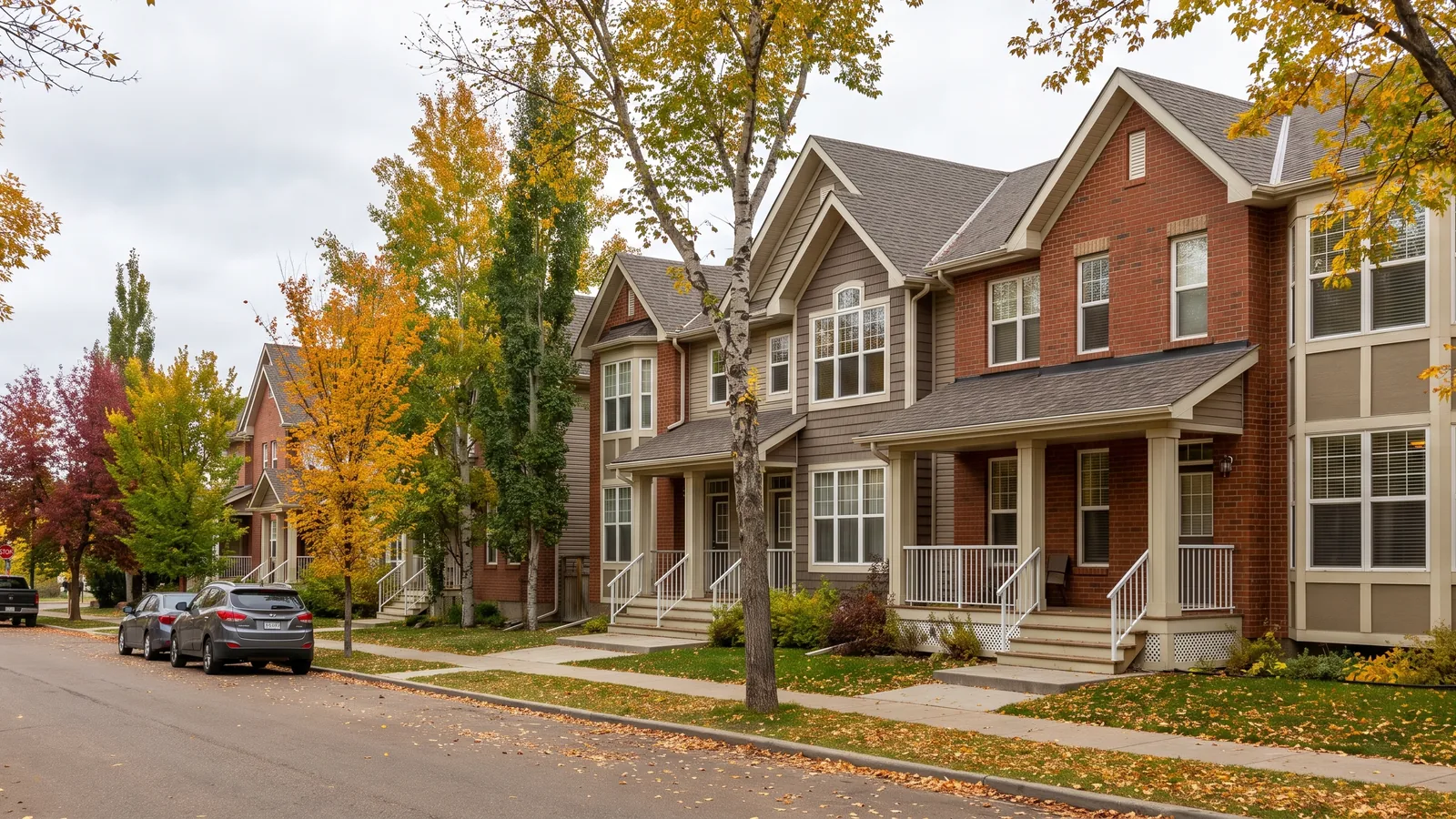
The established south is where south Edmonton's older streets are. Mature trees, ravines at the edge and homes that went up before most of the newer communities were planned. Eddie works this area, and the questions are different from the ones in a new subdivision. How old is the house? What has been replaced? What is the neighbourhood actually like to live in?
The short answer
Blue Quill, Twin Brooks and Duggan are older, settled neighbourhoods with different ages and housing mixes. Duggan dates from the 1960s and 1970s, Blue Quill mostly from the 1970s, Twin Brooks mostly from the 1990s. Expect to price and inspect each house by its age and condition, not by the neighbourhood name.
Key Takeaways
- The City's profiles date Duggan to the 1960s and 1970s, Blue Quill mostly to the 1970s and Twin Brooks mostly to the 1990s.
- Duggan and Twin Brooks are mostly single-detached. Blue Quill mixes houses, row housing and apartments.
- As of 20 November 2026, zone 16 has 154 active listings with a median asking price of $295,000.
- Older homes are priced and inspected one at a time. Ask what has been replaced and when.
- Ravines, utility corridors and busy roads sit close to many streets here, so check each address.
What Is the Established South, and What Does Zone 16 Cover?
It is the group of older neighbourhoods this site calls zone 16, which holds 15 neighbourhoods in all. The zone page is named Blue Quill, Twin Brooks & Duggan, after three of its neighbourhoods. Others in it include Ermineskin, Royal Gardens, Skyrattler, Keheewin and Aspen Gardens. The zone map shows where it sits against the other south zones.
These are the zones this site uses to organize the south. They are not an official City boundary. For the full picture of how they fit together, read the guide to the zones.
How Old Are the Homes in Blue Quill, Twin Brooks and Duggan?
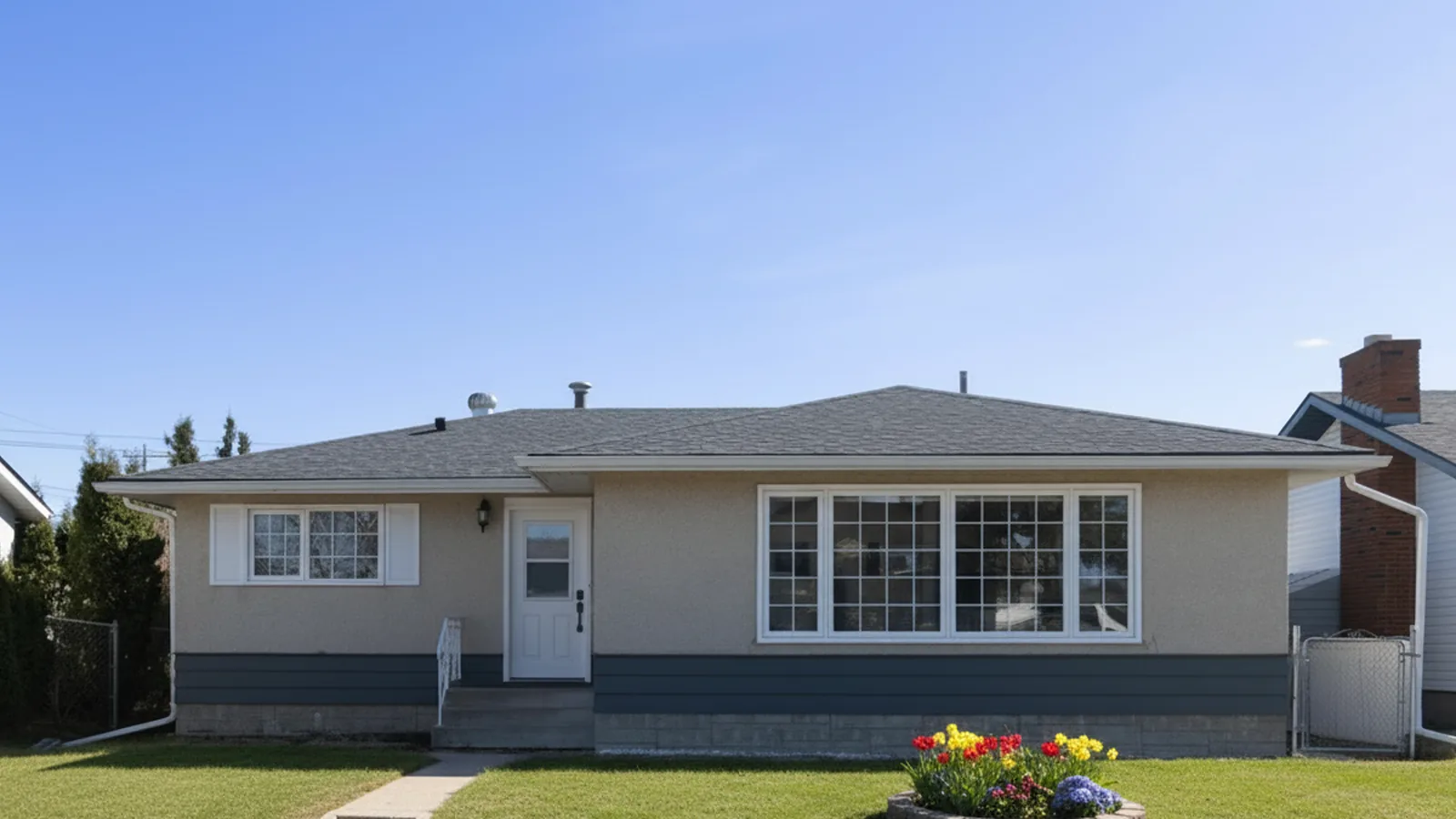
They are three different eras. Duggan is the oldest of the three. The City's Duggan profile says it was subdivided in the 1960s, with large-scale development peaking in the 1970s and a small amount continuing through the 1980s. The listings agree: the median year built for Duggan's 11 active listings is 1973.
Blue Quill comes next. Its City profile says the area was annexed in 1971 and the bulk of housing construction took place in the 1970s, with limited building continuing into the early 2000s. The median year built across its 13 active listings is 1982.
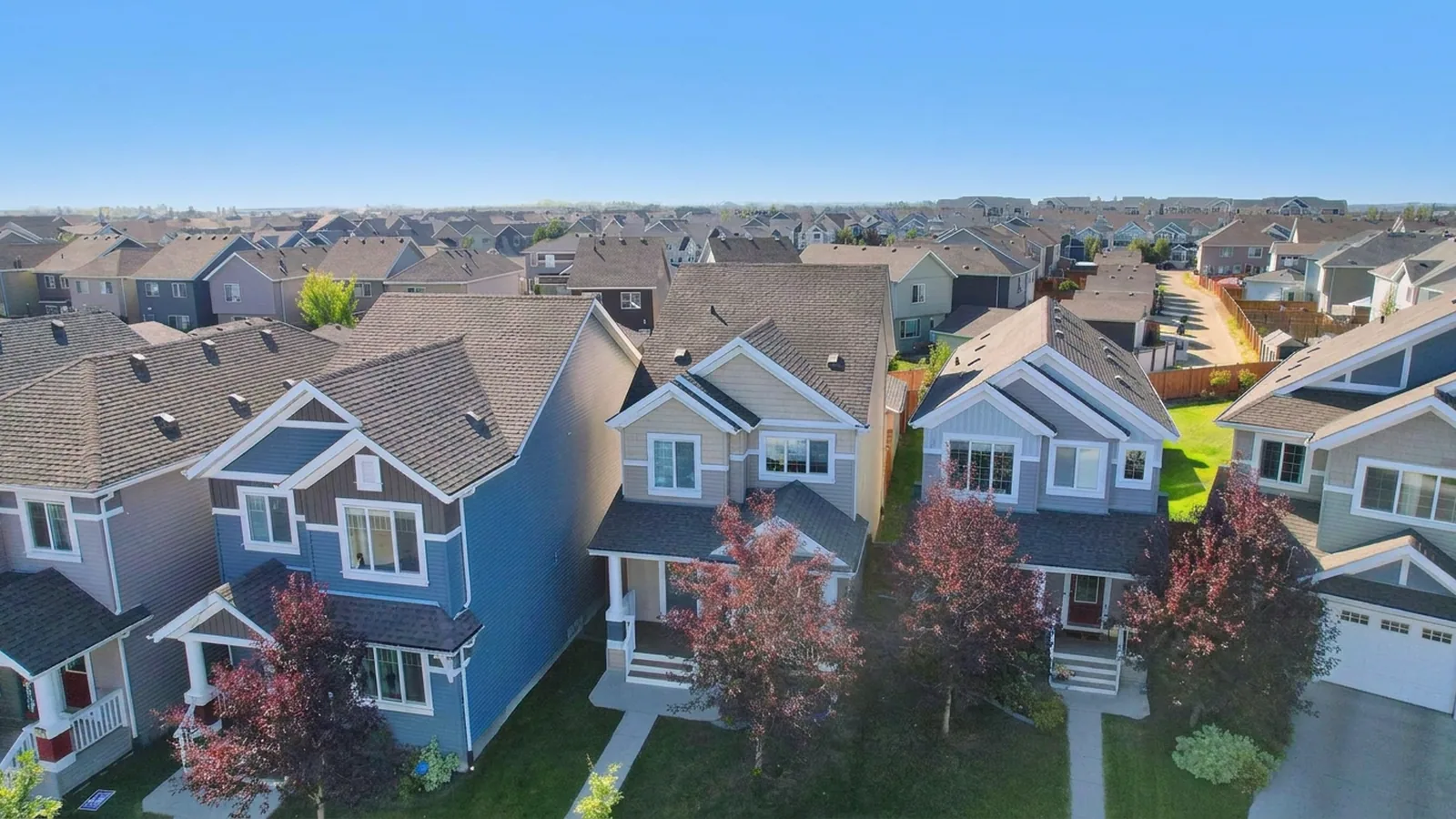
Twin Brooks is the youngest. Its profile says it was annexed in 1980, building began in the late 1980s, most construction was in the 1990s and the rest was finished in the 2000s. The median year built across its 14 active listings is 1996.
What Types of Homes Can You Buy Here?
It depends on the neighbourhood, so the table below shows the mix of active listings for each. Detached homes lead in Twin Brooks and Duggan. Blue Quill is closer to an even split of detached, townhouse and condo.
| Neighbourhood | Active listings | Median asking | Median year built | Detached / townhouse / condo |
|---|---|---|---|---|
| Twin Brooks | 14 | $461,000 | 1996 | 10 / 2 / 2 |
| Blue Quill | 13 | $360,000 | 1982 | 4 / 4 / 4 |
| Duggan | 11 | $500,000 | 1973 | 9 / 2 / 0 |
| Ermineskin | 22 | $227,000 | 2002 | 2 / 6 / 14 |
| Royal Gardens | 15 | $250,000 | 1969 | 6 / 2 / 7 |
| Skyrattler | 15 | $189,000 | 1979 | 11 / 4 / 0 |
| Keheewin | 7 | too few to compare | too few to compare | 1 / 1 / 5 |
| Aspen Gardens | 10 | $669,000 | 1976 | 8 / 0 / 2 |
| Rideau Park | 11 | $212,000 | 1998 | 3 / 0 / 8 |
The City's profiles explain the pattern. Duggan's has single-detached houses as the major structure type, with a relatively high proportion of apartment buildings. Twin Brooks has mostly single-detached homes, with limited amounts of semi-detached homes, row housing and low-rise apartments.
Blue Quill's has single and semi-detached homes, row housing complexes and apartments. If you want only houses, start at the detached homes page. If you want a lower entry point, see the lower-priced condos and the townhouses.
What Are the Asking Prices Here?
Across zone 16, the median asking price is $295,000 as of 20 November 2026, and the spread by home type is wide. That is asking prices on 154 active listings, not what homes end up changing hands for.
| Home type | Active listings | Median asking |
|---|---|---|
| Detached | 75 | $526,000 |
| Townhouse | 31 | $250,000 |
| Condo | 46 | $175,000 |
By neighbourhood, Twin Brooks has a median asking price of $461,000, Duggan $500,000 and Blue Quill $360,000. Blue Quill's lower number likely reflects its mix, since a good share of its listings are condos and townhouses. Compare like with like: a detached home against a detached home. For how these figures sit beside the rest of the south, see asking prices by zone and home type.
What Should You Check on an Older South Edmonton Home?
Check what has been replaced, when, and by whom. A house from the 1960s or 1970s may be well kept or may be original. The listing photos rarely show the difference, so ask direct questions and get a home inspection as a condition of your offer.
- Age of the main systems. Ask for the age of the roof, furnace, hot water tank, windows, electrical panel and plumbing, and for receipts or permits for any work.
- The title. Alberta says titles list mortgages, caveats, easements, builders' liens and other registered interests. In Twin Brooks, for example, the City's profile notes a gas line right-of-way across the southern part of the neighbourhood. Ask your lawyer to explain every entry.
- The ravine side. Blackmud Creek ravine and Whitemud Creek ravine touch several of these neighbourhoods. See what to check on a ravine lot and the ravine and river valley listings.
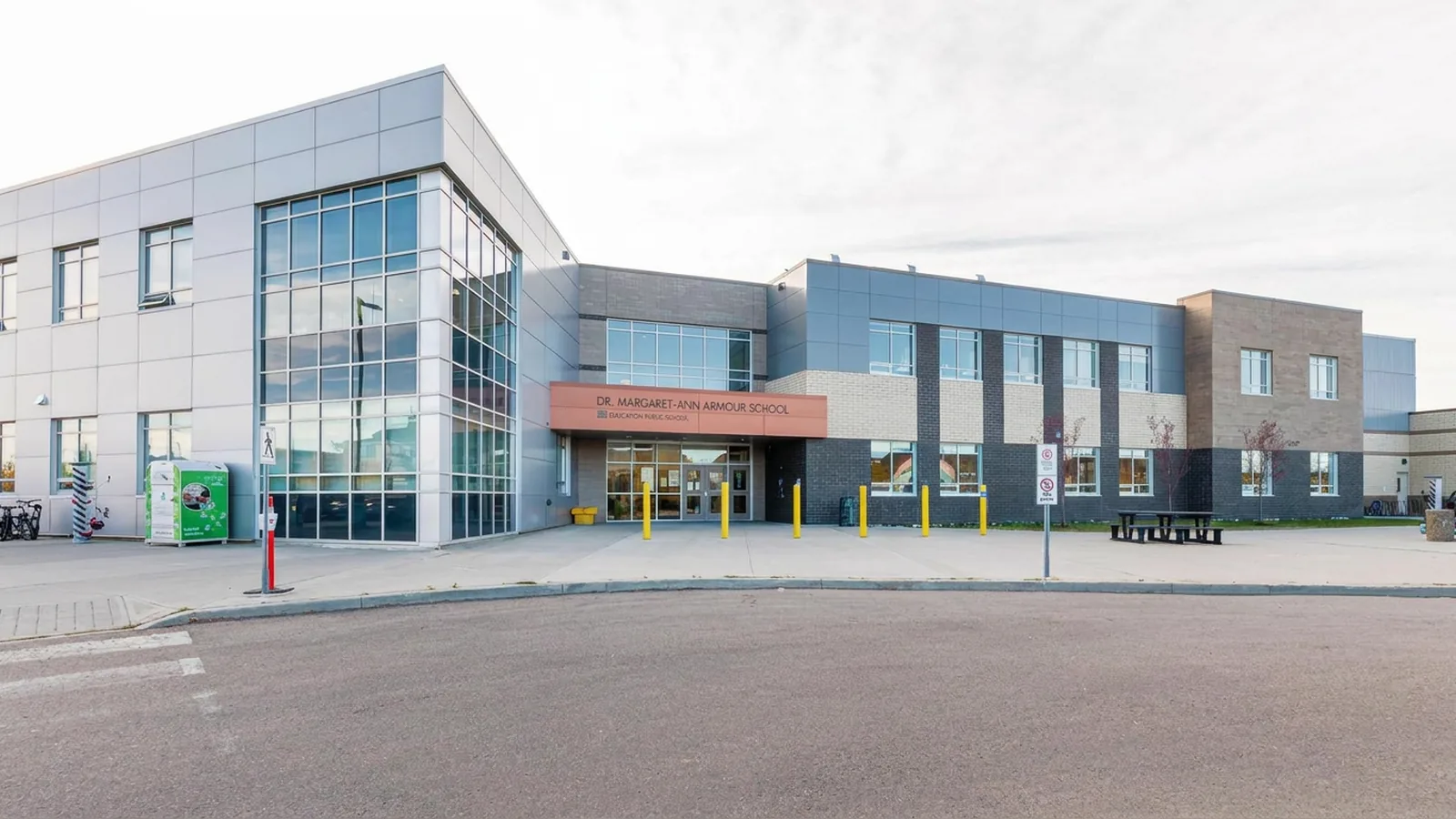
- Schools. Do not assume a house belongs to a given school. Use the method in the school catchments guide.
How Do the Three Differ Day to Day?
Mostly by street layout, setting and access. Duggan's profile describes curving streets around a central school and park, higher-density housing along major roads, and connections to Whitemud Drive on the north and Calgary Trail on the east.
Twin Brooks sits between the Blackmud and Whitemud ravines just north of Anthony Henday Drive, with two main entrances at 119 and 111 Streets and loops and cul-de-sacs inside. Blue Quill has a commercial centre along Saddleback Road and school and park sites toward the interior. For how the Henday affects a specific street, read what to check about noise.
Several nearby profiles, including Keheewin and Sweet Grass, mention a light rail station at Century Park, and Rideau Park's mentions one at Southgate. Those profiles are older documents, so confirm current station and service details with the City before you plan a commute around them. The commuting guide covers the routes.
What to Do Next
- Open zone 16 homes for sale and sort by year built, so you are comparing homes of the same era.
- Pick two or three addresses and ask Eddie for the full list of updates, the title and the lot details before you book showings.
- Selling in the established south? Ask for a free home evaluation. Eddie looks at what you have updated and what buyers will ask about.

Eddie Gebran
Eddie is a lifelong Edmontonian and a REALTOR® with RE/MAX Elite. His background includes over 23 years in real estate, five of them in new home sales, and he works mostly with buyers and sellers in the city's south.
Call or text Eddie at 780-906-9959, or write to eddie@eddiegebran.com.
Last reviewed 15 November 2026. This is general information, not legal, tax, mortgage or financial advice. Rules, programs and prices change, so check the current details with the City, the school board, a lawyer or a mortgage professional before you commit. Market figures use asking prices on active MLS® listings, not sales.
Sources
- City of Edmonton, Blue Quill neighbourhood profile
- City of Edmonton, Twin Brooks neighbourhood profile
- City of Edmonton, Duggan neighbourhood profile
- City of Edmonton, Keheewin neighbourhood profile
- City of Edmonton, Sweet Grass neighbourhood profile
- City of Edmonton, Rideau Park neighbourhood profile
- Government of Alberta, Find land titles, documents or plans
Your next step
Looking in the Established South?
Eddie can line up the updates, title and lot details on any older home before you book a showing.
Talk to EddieCommon Questions
How old are the homes in Duggan?
Duggan was subdivided in the 1960s, according to the City's neighbourhood profile, with large-scale development peaking in the 1970s and a small amount continuing into the 1980s. As of 20 November 2026, the median year built across its active listings is 1973. Each house should still be checked individually.
What is the difference between Blue Quill and Twin Brooks?
Age and mix. The City's profiles say Blue Quill was built mostly in the 1970s and has houses, row housing and apartments, while Twin Brooks was built mostly in the 1990s and is mostly single-detached homes. Twin Brooks also sits between two ravines, just north of Anthony Henday Drive.
Is Blue Quill cheaper than Twin Brooks?
On asking prices, its median is lower. As of 20 November 2026, Blue Quill's is $360,000 and Twin Brooks' is $461,000. Much of that gap is mix, since Blue Quill has more condos and townhouses. Compare detached homes with detached homes, and use asking prices as a guide only.
Which neighbourhoods are in zone 16?
This site's zone 16 holds 15 neighbourhoods, including Blue Quill, Twin Brooks, Duggan, Ermineskin, Royal Gardens, Skyrattler, Keheewin, Aspen Gardens and Rideau Park. The zones are how this site groups the south, not an official City boundary.
Should I get an inspection on an older home in south Edmonton?
Yes, make it a condition of your offer. A home from the 1960s to 1990s can have original or replaced parts, and the listing will not always say which. Ask for the age of the roof, furnace, windows, wiring and plumbing, and for receipts, then let the inspector confirm.